How AI Is Forcing the Return of In-Person Job Interviews 2025
- 28 Nov 2025
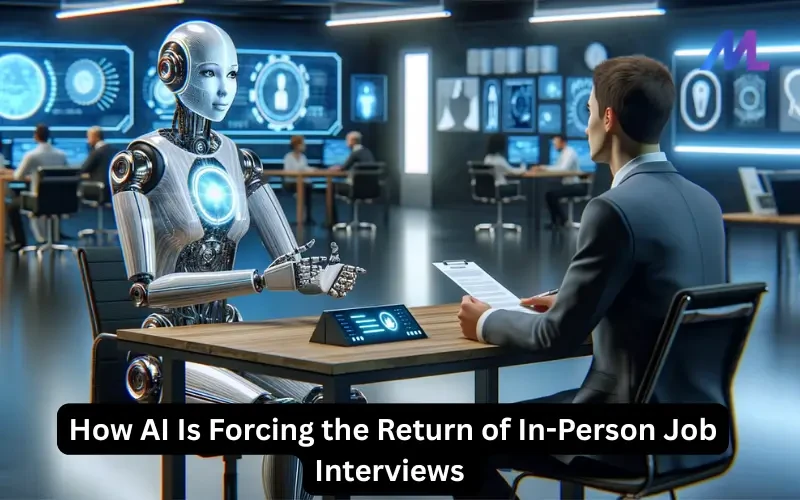
In 2025, the employment market is evolving rapidly. Businesses are reconsidering their approach to recruitment. Artificial intelligence is transforming the employment process more than ever before. And now, AI is forcing the return of the in-person job interview in most sectors.
Artificial intelligence has enabled screening to be quicker, and they filters resumes, evaluates skills, and even examines communication patterns. But this has also raised new concerns among employers. Most HR departments feel that they are losing the human touch. According to some employers, online interviews are no longer sufficient. They desire to read body language, see confidence and know personality.
Why Employers Are Returning to In-Person Job Interviews
|
Reason |
Explanation |
|
Need for Human Judgment |
HR teams want to evaluate personality, confidence, and communication in person. |
|
Overuse of AI Tools |
Heavy automation has removed personal interaction from the hiring cycle. |
|
Rising Distrust in AI Screening |
Some managers do not trust automated decisions without human review. |
|
Better Cultural Fit Assessment |
Meeting physically helps understand values and work attitude. |
|
Reduced Interview Cheating |
In-person meetings lower the chances of AI-assisted cheating. |
Why Companies Still Need Human Judgment in Hiring
Most companies have started realizing that they can no longer have full trust in automated systems. That is why in 2025 ai is forcing the return of the in-person job interview, particularly when it comes to the jobs that demand the use of teamwork, communication, and creativity.
The big changes are being experienced in some industries and the entry-level jobs are particularly impacted. The problem is that many young job seekers are struggling with AI because it is aggressive in filtering the candidates.
Why AI Alone Isn’t Enough
-
AI cannot fully understand emotions or real-time reactions.
-
Managers want to see natural communication, not rehearsed online behavior.
-
In-person meetings reduce the chances of AI-generated interview answers.
Why Hiring Now Requires More Face-to-Face Interaction
AI video interview tools have also created new concerns. Some candidates use AI apps to generate responses and some rely on scripted content. The rise of deepfake technology has also pushed companies toward physical interviews. They want face-to-face clarity and want genuine human presence. This is why ai is forcing the return of the in-person job interview faster than expected.
Online Interviews vs In-Person Interviews in 2025
|
Factor |
Online Interviews |
In-Person Interviews |
|
Authenticity |
Hard to verify candidate honesty |
Easy to observe real expressions and behavior |
|
Risk of AI-Assisted Cheating |
High |
Very low |
|
Human Connection |
Limited |
Strong |
|
Time Efficiency |
Fast |
Slower |
|
Cultural Fit Evaluation |
Weak |
Stronger |
|
Technical Requirements |
Internet, webcam, setup |
None for the candidate |
How AI Is Reshaping Employer Expectations in Key Industries
AI is also changing the expectations of employers. When resumes are filtered by machines, managers want the final stage of hiring to feel more “human.” That is why ai is forcing the return of the in-person job interview in roles like customer service, healthcare, teaching, sales, and management.
Sectors Seeing the Biggest Shift
-
Healthcare and education want high emotional awareness.
-
Retail and hospitality need strong interpersonal skills.
-
Corporate roles want deeper evaluation of personality.
The Growing Role of Hybrid Interviews in 2025
An extensive range of companies are expanding hybrid interview models. They use AI screenings first, then invite selected candidates for in-person meetings. This combination is helping achieve better-quality hires. Still, the final decision is shifting back toward physical interactions.
Why In-Person Interviews Build Trust and Reduce Hiring Fraud
Employers also want to reduce interview fraud. Many candidates use background screens, voice changers, or AI avatars during remote interviews. This makes hiring risky. Companies want to avoid identity issues. That is another reason ai is forcing the return of the in-person job interview in many countries.
What Candidates Should Expect in 2025
-
More companies will insist on at least one physical round.
-
Soft skills will matter more than perfectly optimized resumes.
-
Authentic personality will become a key hiring factor.
The Future of Hiring: Blending AI With Human Decision-Making
The major reason for this shift is company culture. Employers feel that online interviews do not help candidates understand workplace energy. Teams want new hires to see the office environment before joining. This ensures long-term commitment and reduces churn.
In 2025, HR experts believe the hiring landscape will become a blend of technology and human interaction. AI will continue to screen candidates. It will predict skills and analyze data. But final hiring decisions will depend more on physical interviews.
Conclusion
AI is changing the process of hiring, but it cannot substitute real human contact. This is why ai is forcing the return of the in-person job interview in an extensive range of sectors. Employers desire real communication, authenticity and trust. Technology is increasing, and the human interaction is becoming more valuable, which will influence a balanced future where AI supports hiring but does not control it.
Related Blogs:
What to Wear for Online Interview in US | Quick Style Guide
Top 7 Job Search Tips | Staffing Experts for career success
Not Getting Interviews? Key Reasons Your Job Applications May Be Falling Short


