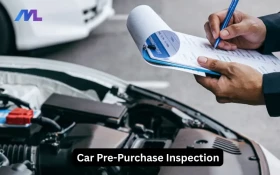
Essential Guide to Car Pre-Purchase Inspection: Why It Matters Before Buying a Used Vehicle
Acquiring a used vehicle is a clever financial idea, as you can drive a fantastic, well-maintained machine for significantly less than the price of a brand-new one. However, there is one vital step that many purchasers tend to ignore: the car pre-purchase inspection (PPI). This examination can be what differentiates you as the one who is driving away with a trustworthy vehicle or someone who is left with a costly piece of equipment.
This all-in-one guide introduces you to the details of a pre-purchase inspection and explains, in a step-by-step manner, what it consists of, its significance, how to obtain it, and what red flags to identify before signing the deal.
What Is a Car Pre-Purchase Inspection?
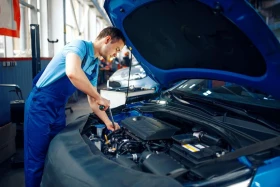
Car pre-purchase inspection (PPI) is an in-depth evaluation done by a qualified mechanic before you proceed to buy a used car in USA. The objective is to find out if there are any visible issues underneath the car and what other invisible flaws exist that can be detected only later on.
The inspection usually handles:
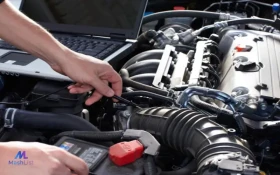
Mechanical components: engine, transmission, brakes, suspension, and steering.
Electrical systems: lights, sensors, dashboard indicators, and battery condition.
Body and frame: signs of accidents, corrosion, or poor repairs.
Interior condition: upholstery, air conditioning, infotainment system, and controls.
Diagnostic scan: using computer tools to identify hidden error codes.
In other words, it brings out a much clearer picture of the vehicle's actual state as well as what the car owner is likely to encounter in terms of maintenance or repairs in the near future.

Why Is a Pre-Purchase Inspection Essential?
Numerous used cars could look flawless from the outside- freshly polished, newly bought tires, and clean interiors. But, often, the first impression is misleading. A PPI comes to your rescue from those hidden perils that would have later cost you thousands of dollars. Hence, here is why PPI is so crucial:
The use of Hidden Mechanical Problems
Even a car that has been consistently maintained might suffer from Hidden issues such as little oil leaks, broken suspension parts, or clutch issues. These don't always show up in a test drive. A professional inspection provides an opportunity to discover such issues so that you can negotiate with the seller to get them fixed, or, otherwise, avoid a bad deal.
Protects You From Accident or Flood-Damaged Vehicles
Sometimes, vendors will deny a car's accident track record or flooding by replacing damaged components and repainting the car. However, a talented mechanic catches hints such as color differences, welding differences, water inside the panel, etc., that you might have missed.
These signs can give you a heads-up about spending your money on a mistake before you realize it.
Strengthens Your Negotiating Position
If the inspection indicates potential issues, you may utilize the report to get a better price. In the case where the mechanic indicates old brake pads or a leaking coolant system, then you can ask for a reduced price or demand that the seller fix the issues before closing the deal.
Safety and Reliability Are Given
One of the major concerns of people looking for used cars is their personal safety. By carrying out the inspection the seller also ensures the essential systems (brakes, airbags, steering) are in order. The money you would have saved is not worth that chance of being in an accident.
Helps Prevent Future Losses
People assume that the inspection might be the best way of making some savings. But if, after some tim,e you find out there are major repairs needed, the cost of repair could be more than the cost of the inspection. Thus, PPI is a tool for avoiding unnecessary financial surprises in the future.
Must Visit: Advertise Your Cars Listing Online on Mashlist in the United States
What Does Pre-Purchase Inspection Include?
While the minor specifics of an inspection may vary between service providers, a comprehensive PPI typically contains these main points:
|
Inspection Area |
What’s Checked |
|
Exterior & Body |
Paint condition, accident damage, rust, dents, alignment of panels |
|
Engine & Transmission |
Fluid levels, leaks, engine noise, performance, shifting smoothness |
|
Suspension & Steering |
Shock absorbers, ball joints, tie rods, steering response |
|
Brakes & Tires |
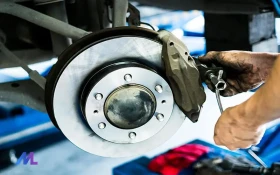
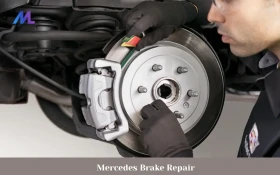
Brake pad thickness, rotor condition, tire tread, and alignment |
|
Interior & Electronics |
Air conditioning, lights, infotainment system, seat belts, airbags |
|
Undercarriage |
Frame rust, oil leaks, exhaust system, signs of impact damage |
|
Computer Diagnostics |
Engine codes, transmission control module, airbag system, ABS sensors |
A reputable mechanic will also take the vehicle for a test drive to gauge its performance in different driving conditions.
How to Get a Pre-Purchase Inspection Done?
A PPI, or Pre-Purchase Inspection, is a process that you can follow if you put your mind to it. Here is the way to get it right:
Step 1: Choose a Certified Mechanic
Take your pick from an independent, reliable mechanic or inspection service who is certified and preferably an expert in the car that you intend to buy. You can also search for a mobile inspection service which is available at the car's location.
Step 2: Arrange with the Seller
Let the seller inform you of the proposed pre-purchase inspection. Most of the credible sellers will agree since it will show their honesty to you. If the seller refuses or hesitates to go along, you should treat it as a red flag and reconsider your purchase.
Step 3: Establish the Inspection
Organize the schedule through the garage or request the mobile PPI. It generally takes about one to two hours depending on the complexity of the car.
Step 4: Review the Inspection Report
Once the inspection is done, you will receive a comprehensive report which will contain details of the issues, the cost of repairs, and also the recommendations for maintenance. Make sure to read it well and if there is something that confuses you, feel free to ask questions.
Step 5: Make an Informed Decision
Based on the results of the inspection, you can determine whether to buy, negotiate, or simply walk away. A vehicle that looks like a great opportunity might not be so much worth it if it requires a lot of repairs.
Must Visit: Enhancing Your Vehicle's Comfort and Style with Window Tinting

When Should You Get a Pre-Purchase Inspection?
Ideally at the time, you should get a Pre-Purchase Inspection before you finalize your payment or sign any documents. However, if you are buying from a dealer, it is advisable to request the inspection after you have test driven the vehicle but before the closing of the deal.
In the case of private sellers, it must be even more , since you get no guarantees or warranties, a PPI is your only protection.
How Much Does a Pre-Purchase Inspection Cost?
The price generally varies with your location, vehicle type and inspection level, but they typically range from $100 to $250. Luxury or imported vehicles may cost more due to specialized tools or the diagnostic procedures that need to be performed.
When compared to the possible bill (like $1,000 for transmission problems or $500 for braking issues, among others), the cost of the inspection is a trivial matter to ask for peace of mind.
Common Red Flags Found During Inspections
During a professional inspection, such issues might come out that are the well-known indications of deeper problems. Some of these are:
-
Engine oil mixed with coolant (may be a head gasket issue)
-
Tires have uneven wear (could be alignment or suspension issues)
-
Excessive smoke from the exhaust (could be engine damage)
-
Minor electrical problems or warning lights on the dashboard
-
Frame damage or signs of a previous collision
-
Rust found underneath the car, especially in coastal areas
-
Abnormal sounds during the drive test
If any of these are discovered, it is important to consider whether the vehicle is still worth buying or if you want to negotiate for a significant price cut.
Benefits of Pre-Purchase Inspection for Buyers and Sellers
Although PPI is mostly for the benefit of the buyer, it also serves an important purpose for the seller who wants to be fair and establish trust.
For buyers: it brings back their trust and provides the required assurance for such purchases.
For sellers: it can help with the decision on pricing as well as selling the car faster with proven condition information.
Some dealers offer pre-inspected and certified used vehicles, which not only saves your time but ensures reliability as well.
Tips to Help Ensure a Successful Pre-Purchase Inspection
-
Don’t rely solely on dealership claims. Always get an independent inspection, even if the car has a “certified” tag.
-
Check service records. Consistent maintenance history often indicates careful ownership.
-
Inspect in daylight. It’s easier to spot paint imperfections or leaks.
-
Be present during the inspection. You’ll learn more by observing and asking the mechanic questions.
-
Use the report for negotiation. Present the findings professionally and request a fair price adjustment.
Conclusion
A car pre-purchase inspection is not just a formality; rather , it is a very important step to ensure that you get exactly what you are paying for. It can clarify, provide protection, and reduce any unexpected financial issues. Whether you buy it from a private seller or a dealership, an inspection always gives you clarity, confidence, and protection from the costly hidden surprises.
Consider it as a health test for your car prior to ownership. Making a small expense at this point can save you a lot in the future, thus your investment will be absolutely safe and sound.
So be it, before you hand over that money or affix your signature, book an official pre-purchase PPI — all your future selves, and your wallet will be grateful.