The Impact of Ulriken Cablecar on Local Tourism
Introduction
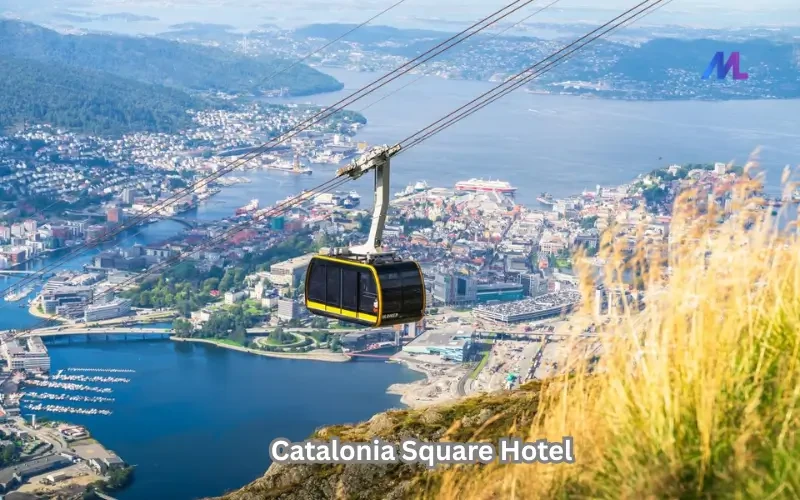
The Ulriken Cablecar, also known as Ulriksbanen, is one of the most iconic attractions in Bergen, Norway. This cable car offers stunning panoramic views of the city, the surrounding fjords, and the majestic mountains. Since its opening, the Ulriken Cablecar has significantly affected local tourism, transforming Bergen into a must-visit destination for both domestic and international travelers. This article explores the various ways the cable car has impacted local tourism, including economic benefits, visitor experiences, and environmental considerations.
Overview of Ulriken Cablecar
History and Development
The Ulriken Cablecar was inaugurated in 1961, making it one of the oldest cable cars in Norway. The project was initiated to provide easier access to Mount Ulriken, which is the highest of the seven mountains surrounding Bergen. The cable car quickly became popular among tourists and locals alike, offering breathtaking views and a unique way to experience the natural beauty of the region.
Key Features
The cable car ascends to an altitude of 643 meters (2,113 feet) and covers a distance of 2,400 meters (1.5 miles). The journey takes approximately 8 minutes, during which passengers can enjoy the stunning scenery. At the summit, visitors can explore hiking trails, restaurants, and viewing platforms, making it an all-encompassing destination for outdoor enthusiasts.
Economic Impact
Boosting Local Businesses
One of the most significant impacts of the Ulriken Cablecar on local tourism is the economic boost it provides to nearby businesses. Hotels, restaurants, and shops in Bergen have seen increased foot traffic since the cable car's installation. Tourists often seek accommodations and dining options before or after their cable car rides, benefiting local establishments.
Hospitality Sector
The hospitality sector has seen a notable influx of visitors, leading to higher occupancy rates in hotels and lodges. Many tourists prefer to stay in Bergen due to the easy access provided by the cable car, which allows them to explore not just Mount Ulriken but also other attractions in the area.
Dining and Retail
Restaurants near the Ulriken Cablecar have also flourished. Offering local cuisine and international dishes, these establishments cater to the diverse tastes of visitors. Retail shops selling souvenirs, hiking gear, and local crafts have experienced increased sales, contributing to the local economy.
Job Creation
The growth of tourism related to the Ulriken Cablecar has led to job creation in various sectors. From hospitality and retail to maintenance and operation of the cable car itself, many new job opportunities have emerged. This influx of employment helps stabilize the local economy and provides residents with sustainable livelihoods.
Must Visit: Avra Imperial Beach Hotel Crete: A Luxurious Coastal Retreat
Visitor Experience
Attracting Diverse Demographics
The Ulriken Cablecar attracts a wide range of visitors, from families to adventure seekers. Its accessibility makes it an ideal destination for people of all ages and physical abilities. Families with children can enjoy the scenic ride and explore the various trails and attractions at the summit, while more adventurous visitors can engage in hiking, paragliding, and other outdoor activities.
Enhancing Outdoor Activities
The cable car serves as a gateway to numerous outdoor activities. Hiking trails of varying difficulty levels begin at the summit, allowing visitors to choose experiences that match their fitness levels. The scenic beauty of the area, combined with the accessibility provided by the cable car, encourages both locals and tourists to engage in outdoor activities.
Hiking Opportunities
Hiking enthusiasts can explore several marked trails that lead to breathtaking viewpoints and natural wonders. The most popular route is the hike to Fløyen, another mountain in Bergen, which can be reached via a scenic trail connecting Ulriken and Fløyen. This accessibility promotes longer stays and encourages visitors to explore more of the region.
Cultural Experiences
The Ulriken Cablecar also plays a role in promoting cultural experiences. Events and festivals are often held in the area, showcasing local music, art, and cuisine. These activities enhance the visitor experience and provide insight into Norwegian culture, fostering a deeper appreciation among tourists.
Must Read: Kos Holidays: A Comprehensive Guide for Norwegian Travelers
Environmental Considerations
Sustainable Tourism Practices
As tourism grows around the Ulriken Cablecar, it's essential to consider the environmental impact. Sustainable tourism practices are being implemented to minimize the footprint on the natural landscape. This includes promoting eco-friendly transportation options, waste reduction initiatives, and conservation efforts.
Eco-Friendly Initiatives
The cable car operators have taken steps to ensure that the operation is as eco-friendly as possible. This includes using energy-efficient systems and promoting responsible tourism among visitors. Educational campaigns inform tourists about the importance of preserving the natural environment and respecting wildlife.
Balancing Tourism and Nature
While the Ulriken Cablecar attracts many visitors, it is crucial to maintain a balance between tourism and environmental preservation. Monitoring visitor numbers and implementing measures to limit overcrowding on trails and at viewpoints help protect the natural landscape.
Community Engagement
Involvement of Local Residents
The Ulriken Cablecar has fostered a sense of community among local residents. Many locals are involved in the tourism sector, benefiting from the increased economic activity. Community engagement initiatives encourage residents to participate in tourism development, ensuring that their voices are heard in decision-making processes.
Promoting Local Culture
The cable car also serves as a platform for promoting local culture. Artists and craftspeople often showcase their work at the summit or in nearby visitor centers, allowing tourists to experience the rich cultural heritage of the region. This not only enriches the visitor experience but also provides a source of income for local artisans.
Challenges and Future Prospects
Managing Visitor Numbers
As the popularity of the Ulriken Cablecar continues to rise, managing visitor numbers becomes increasingly important. Implementing timed entry systems or ticket reservations can help control crowds and ensure a quality experience for all visitors.
Future Developments
Looking ahead, there are opportunities for further development around the Ulriken Cablecar. Expanding hiking trails, enhancing facilities at the summit, and improving accessibility can all contribute to making the area an even more attractive destination. Continued investment in infrastructure will also support the growing tourism sector.
Conclusion
The Ulriken Cablecar has had a profound impact on local tourism in Bergen, Norway. From boosting the economy and creating jobs to enhancing the visitor experience and promoting sustainable practices, its influence is far-reaching. As the cable car continues to attract tourists from around the world, it remains essential to balance the benefits of increased tourism with the need for environmental preservation and community engagement. By doing so, the Ulriken Cablecar can continue to be a vital asset to Bergen's tourism landscape for years to come.